
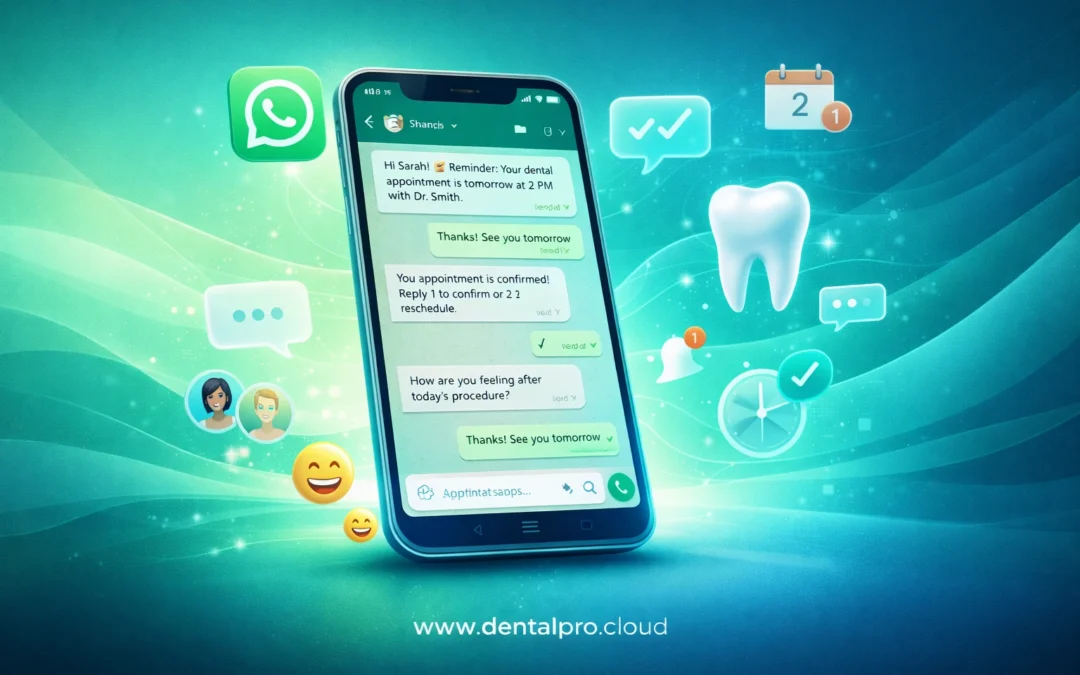
Patient communication represents a cornerstone of successful dental practice operations. Appointment confirmations, treatment reminders, and post-procedure follow-ups all require reliable, convenient communication channels. Traditional methods like phone calls and SMS messages increasingly fail to meet contemporary patient expectations.
The Communication Evolution
Dental practices have relied on phone calls for decades, but this approach faces growing challenges. Patients rarely answer unknown numbers due to spam call prevalence. Voicemails go unchecked for days or weeks. Even when calls connect, the interaction often occurs at inconvenient times, creating rushed, unsatisfying exchanges.
SMS messaging improved upon phone calls by allowing asynchronous communication. However, SMS limitations include character restrictions, lack of rich media support, and inability to have conversational exchanges. Many patients view SMS as outdated compared to modern messaging platforms.
WhatsApp communication integration in DentalPro Cloud leverages the world’s most popular messaging platform. With over 2 billion active users globally, WhatsApp represents where patients already spend significant daily time. Meeting them on familiar platforms dramatically improves engagement rates.
Why WhatsApp Works for Healthcare
WhatsApp offers several advantages over traditional healthcare communication methods. The platform supports text, images, documents, and even video content. Practices can send appointment confirmations, treatment plan details, post-procedure instructions, and educational materials through a single channel.
Message delivery and read receipts provide visibility into communication effectiveness. When patients open appointment reminders, practices gain confidence that information reached them. This transparency helps identify patients who might need alternative contact methods.
The conversational nature of WhatsApp enables back-and-forth exchanges that feel natural rather than transactional. Patients can ask quick questions, request appointment changes, or clarify post-treatment instructions without phone call formality. This accessibility improves patient satisfaction and reduces staff workload from repetitive phone inquiries.
Appointment Management via WhatsApp
Appointment reminders represent the most common WhatsApp use case in dental practices. Integration with the smart booking system automates reminder delivery at optimal intervals before scheduled appointments.
Initial reminders might arrive one week before appointments, with follow-ups at three days and one day prior. Each message includes appointment details, provider names, and simple response options for confirming or rescheduling. Patients can manage appointments with a few taps, never needing to call the office during business hours.
When patients request reschedules via WhatsApp, the integration with comprehensive practice management allows them to view available alternative times and select replacements directly within the conversation. This self-service capability reduces staff phone time while providing superior patient convenience.
Treatment Communication and Education
WhatsApp excels at delivering treatment information that patients can reference when needed. After consultations, practices can send detailed treatment plans with cost breakdowns, procedure descriptions, and educational videos explaining proposed treatments.
Visual content significantly improves patient understanding compared to verbal explanations alone. Short videos demonstrating procedures, animated explanations of treatment processes, and before-after photos help patients make informed decisions about their care.
Integration with AI documentation systems means treatment plans documented during appointments automatically generate patient-friendly summaries suitable for WhatsApp delivery. This automation ensures consistent patient education without requiring additional staff time.
Post-Procedure Follow-Up
Checking on patients after procedures shows care and identifies potential complications early. However, phone-based follow-ups consume significant staff time and often fail to connect with patients when attempted.
WhatsApp automated follow-up messages arrive at appropriate intervals after appointments. Simple questions about pain levels, swelling, or bleeding can be answered with quick replies. Patients appreciating the check-in feel valued, while practices gain reassurance about procedure outcomes.
When patients report concerning symptoms, staff receive immediate alerts for priority follow-up. This early warning system prevents minor issues from escalating while demonstrating attentive care quality.
Prescription and Medication Reminders
Digital prescription integration combines with WhatsApp to ensure patients understand medication instructions. After prescriptions are sent to pharmacies electronically, patients receive WhatsApp messages confirming submission and providing medication guidance.
Medication reminders can be scheduled for antibiotic courses requiring completion or pain medications needing specific timing. These gentle prompts improve adherence, leading to better treatment outcomes and fewer complications.
Privacy and Security Considerations
Healthcare communication must protect patient privacy while providing convenience. WhatsApp Business API integration ensures compliance with healthcare regulations through encrypted messaging and secure data handling.
Practices should establish clear policies about appropriate WhatsApp communication content. Detailed clinical information might be inappropriate for messaging platforms, while appointment scheduling, general reminders, and education fall within acceptable use. The modern dental practice approach balances convenience with appropriate privacy protections.
Multilingual Patient Support
Diverse patient populations benefit from communication in preferred languages. WhatsApp supports messages in virtually all languages, enabling practices to serve non-English-speaking patients more effectively.
Automated messages can be configured in multiple languages based on patient preferences recorded in the dental EMR system. This personalization demonstrates cultural sensitivity and improves communication effectiveness for patients with limited English proficiency.
Staff Efficiency Improvements
WhatsApp communication significantly reduces phone call volume, freeing staff for higher-value activities. Questions about office hours, parking, or basic appointment information can be answered via automated WhatsApp responses. Staff only engage in conversations requiring personal attention.
Asynchronous messaging allows staff to respond during quieter periods rather than interrupting critical tasks. This workflow flexibility improves both efficiency and job satisfaction by reducing the stress of constant phone interruptions.
Emergency and Urgent Communication
While WhatsApp shouldn’t replace emergency dental hotlines, it can triage urgent situations. Patients experiencing dental emergencies can send messages describing symptoms, and staff can quickly assess severity and provide appropriate guidance.
The comprehensive service offerings include protocols for emergency communication management, ensuring WhatsApp integration enhances rather than complicates urgent care delivery.
Patient Acquisition and Marketing
WhatsApp marketing capabilities help practices stay connected with patients between appointments. Educational content about oral health, seasonal reminders about dental check-ups, and information about new services can be shared with interested patients who opt into marketing communications.
Click-to-WhatsApp advertisements on social media allow prospective patients to connect with practices instantly. These low-friction contact methods generate more inquiries than traditional contact forms or phone-only approaches.
Measuring Communication Effectiveness
Analytics reveal WhatsApp communication impact on key practice metrics. Tracking message open rates, response rates, and appointment confirmation rates demonstrates platform effectiveness compared to traditional methods.
The benefits of integrated practice management include unified reporting showing how communication improvements impact no-show rates, patient satisfaction scores, and treatment plan acceptance rates.
Implementation Best Practices
Successful WhatsApp integration requires thoughtful implementation. Patients should opt into WhatsApp communication rather than receiving unsolicited messages. Clear initial messages should explain what types of communication they’ll receive and how to manage preferences.
Staff training ensures consistent, professional communication through the platform. Response templates for common questions maintain quality while enabling efficiency. Escalation protocols identify when conversations should move to phone calls for complex discussions.
Patient Reception and Adoption
Most patients enthusiastically embrace WhatsApp communication after initial exposure. The convenience of managing appointments and receiving reminders through a familiar platform significantly outweighs any adjustment period.
Practices should expect adoption rates to increase gradually as patients experience the benefits. Offering WhatsApp as one option alongside traditional methods during transition periods ensures no patients feel excluded or confused.
Integration with Other Practice Systems
WhatsApp communication works best when integrated with other practice management functions. Connections with appointment booking systems enable automated scheduling confirmations. Links to patient records ensure message personalization and clinical relevance.
Future Communication Possibilities
WhatsApp continues evolving with new business features. Future capabilities might include video consultations for preliminary assessments, secure payment processing for balances, and AI-powered chatbots handling routine inquiries 24/7.
Experience the platform firsthand to understand how WhatsApp integration fits within comprehensive practice management. The complete system extends far beyond messaging to address every aspect of modern dental practice operations.
Conclusion
WhatsApp communication transforms patient engagement by meeting people on platforms they already use daily. From appointment reminders to treatment education and post-procedure follow-up, messaging integration improves convenience for patients while enhancing efficiency for practices. Dental offices adopting modern communication technologies position themselves as progressive, patient-centered providers in an increasingly competitive healthcare landscape.